
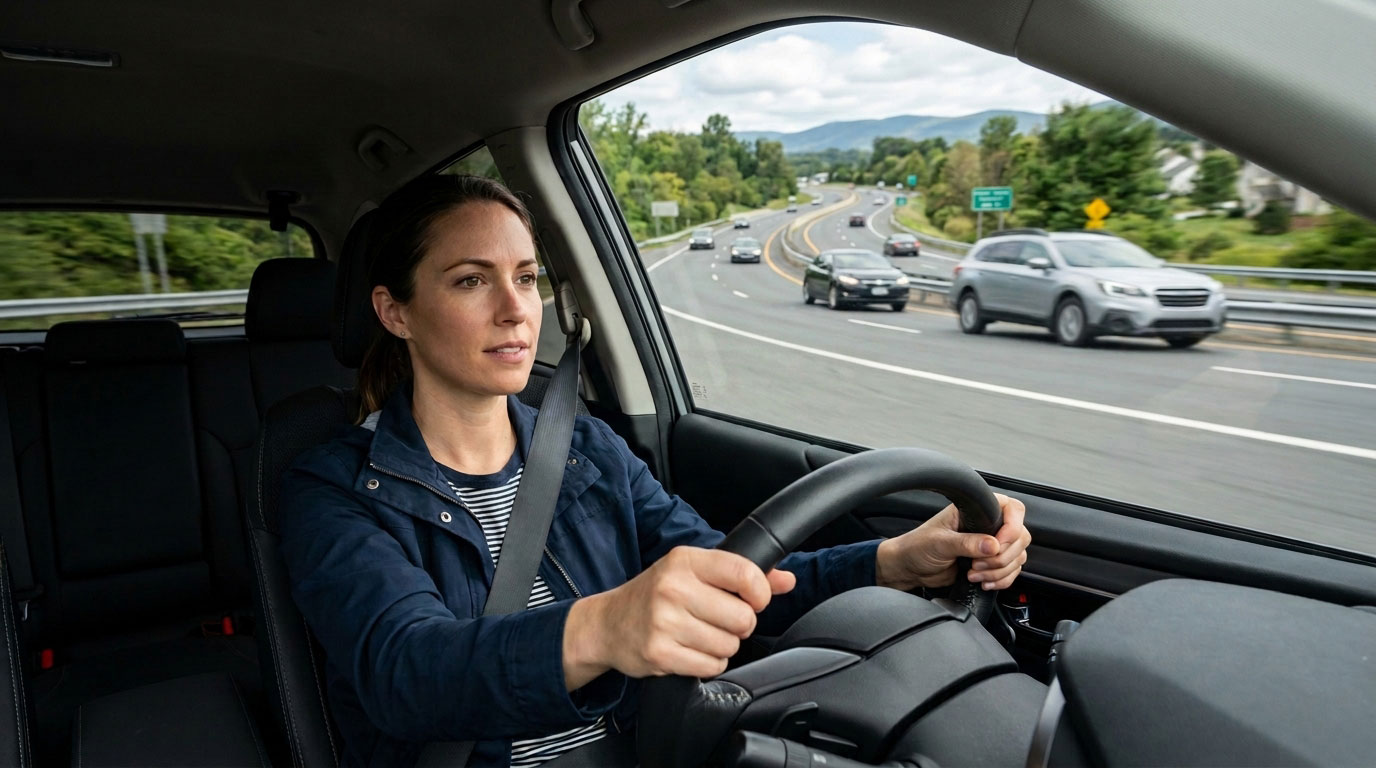
Safer driving is often less about complicated techniques and more about the decisions people make every time they get behind the wheel. Looking at a phone, following another vehicle too closely, driving faster than conditions allow, or getting behind the wheel while tired can turn an ordinary trip into a dangerous situation.
Recent federal data illustrates why everyday road safety still deserves attention. According to the National Highway Traffic Safety Administration (NHTSA), 3,208 people were killed and more than 315,000 were injured in crashes involving distracted drivers in 2024. While no single habit can prevent every collision, consistently making safer choices may reduce unnecessary risks.
Here are five everyday habits that can help drivers remain more attentive, predictable, and prepared for changing roadway conditions.
1. Put Distractions Out of Reach
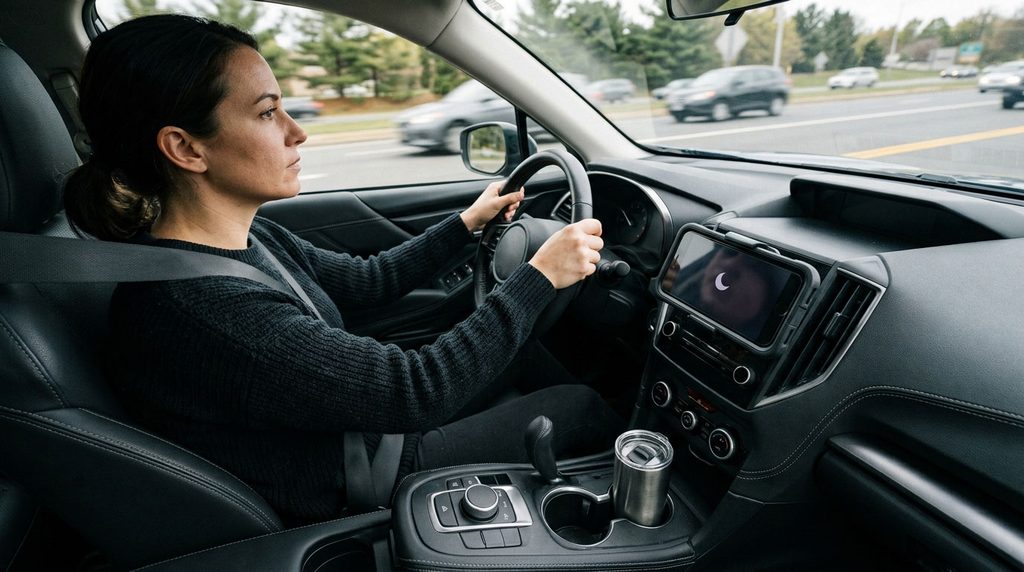
Phones have become one of the most persistent sources of distraction inside vehicles. Messages, navigation alerts, calls, social media notifications, and other apps can compete for a driver’s attention at precisely the wrong moment.
Distracted driving is broader than texting. NHTSA defines it as any activity that diverts attention away from driving. Eating, changing music, adjusting navigation, talking with passengers, or reaching for objects can also reduce a driver’s ability to respond quickly.
Make Phone-Free Driving the Default
A useful habit is to deal with the phone before the vehicle begins moving. Drivers can enter their destination, select music, activate a do-not-disturb feature, and place the device somewhere that discourages impulsive checking.
If a message or call genuinely requires attention, the safer choice is to find an appropriate place to park before responding. A passenger can also handle navigation or communications while the vehicle is moving.
NHTSA’s Put the Phone Away or Pay campaign continues to emphasize that safe driving requires attention to the road rather than a screen.
Why a Few Seconds Matter
Traffic conditions can change extremely quickly. A vehicle ahead may brake, a pedestrian may enter a crosswalk, debris may appear in a lane, or another driver may unexpectedly merge. A driver who is looking elsewhere has less time to recognize the hazard and respond.
Readers interested in broader transportation risks can also explore our Road Safety resources.
2. Leave More Space Between Vehicles
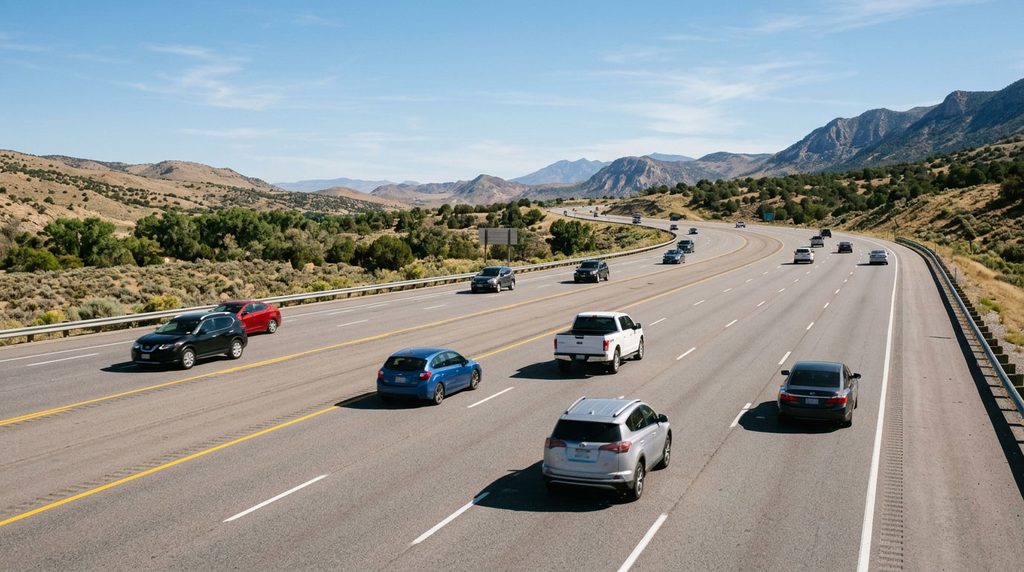
Following too closely removes one of the most valuable safety tools a driver has: time. Adequate following distance provides additional time to see a problem, decide how to respond, and slow or stop the vehicle.
This becomes especially important at highway speeds. Higher speeds increase the distance a vehicle travels before a driver can react and generally increase the distance required to stop.
Adjust Following Distance to Conditions
A reasonable gap in dry daylight conditions may not provide the same safety margin during rain, fog, darkness, heavy traffic, or other challenging circumstances. Drivers should increase their following distance when visibility or traction is reduced.
Extra space may also be appropriate around motorcycles, bicycles, large trucks, vehicles carrying unsecured loads, or drivers whose behavior appears unpredictable.
Avoid Filling Every Available Gap
Heavy traffic often encourages motorists to close small gaps out of concern that another vehicle will merge in front of them. However, repeatedly reducing following distance can create a chain of abrupt braking that increases collision risk.
Maintaining a safety cushion can make traffic changes easier to manage and reduce the need for sudden steering or braking.
3. Treat the Speed Limit as a Maximum, Not a Target
A posted speed limit does not mean that speed is appropriate under every condition. Weather, visibility, congestion, road construction, pedestrians, cyclists, and surface conditions can all require slower travel.
Speed affects more than the likelihood of receiving a citation. It influences how quickly hazards appear, how much time a driver has to react, and how severe a collision may become.
Watch the Environment, Not Just the Speedometer
Drivers should continuously evaluate what is happening around the vehicle. Residential streets, parking areas, school zones, intersections, and construction zones often involve people or vehicles entering the roadway unexpectedly.
Slowing before reaching a potentially complicated area gives drivers more opportunity to process changing conditions.
NHTSA provides additional information about speeding and its effect on road safety.
4. Scan Beyond the Vehicle Directly Ahead
Good driving requires looking beyond the immediate space in front of the hood. Drivers who scan farther down the road may notice brake lights, traffic congestion, intersections, pedestrians, construction, or lane closures before they become immediate problems.
Use Mirrors as Part of a Regular Scan
Checking mirrors periodically helps drivers understand where surrounding vehicles are positioned. That information can become critical if sudden braking, a lane change, or another evasive maneuver becomes necessary.
Blind spots deserve particular attention. Before changing lanes or turning across bicycle or pedestrian paths, drivers should confirm that the intended path is clear rather than relying entirely on mirrors or electronic driver-assistance systems.
Expect Vulnerable Road Users
Pedestrians, bicyclists, scooter riders, and motorcyclists may be harder to notice than passenger vehicles. Looking specifically for smaller road users at intersections, driveways, parking areas, and crosswalks can improve situational awareness.
Road users interested in injury-prevention information may also find our planned guide to consumer product recalls and safety issues useful for understanding another important area of everyday safety.
5. Do Not Drive When You Are Too Tired
Fatigue can affect attention, judgment, reaction time, and decision-making. Drivers sometimes underestimate tiredness because drowsiness develops gradually.
NHTSA reports that drowsy-driving crashes continue to cause fatalities in the United States and recommends adequate sleep as the most effective protection against drowsy driving. The agency’s drowsy driving guidance explains that fatigue can affect both cognition and driving performance.
Recognize Warning Signs Before Continuing
Repeated yawning, difficulty keeping the eyes open, missing an exit, drifting within a lane, or having trouble remembering the previous few miles can indicate that a driver needs to stop.
Caffeine may temporarily improve alertness for some people, but it is not a substitute for sufficient sleep. Drivers facing significant fatigue should find a safe place to stop rather than trying to push through it.
Small Habits Can Support Safer Roads
Reducing road accidents does not depend on one dramatic change. It often begins with ordinary decisions repeated consistently: putting the phone away, leaving more space, adjusting speed, scanning the roadway, and recognizing when fatigue makes driving unsafe.
These habits also reinforce one another. A driver who maintains sufficient following distance has more time to respond. A driver who is not looking at a phone is more likely to recognize a developing hazard. A rested driver may be better prepared to make sound decisions when conditions change.
Road safety is ultimately shared by everyone using the transportation system. Drivers, passengers, pedestrians, bicyclists, and other road users all benefit when motorists remain attentive and predictable.
For additional prevention information, visit InjuryWatchdog.com’s Road Safety section or read about common slip, trip, and fall hazards that can affect safety away from the roadway.