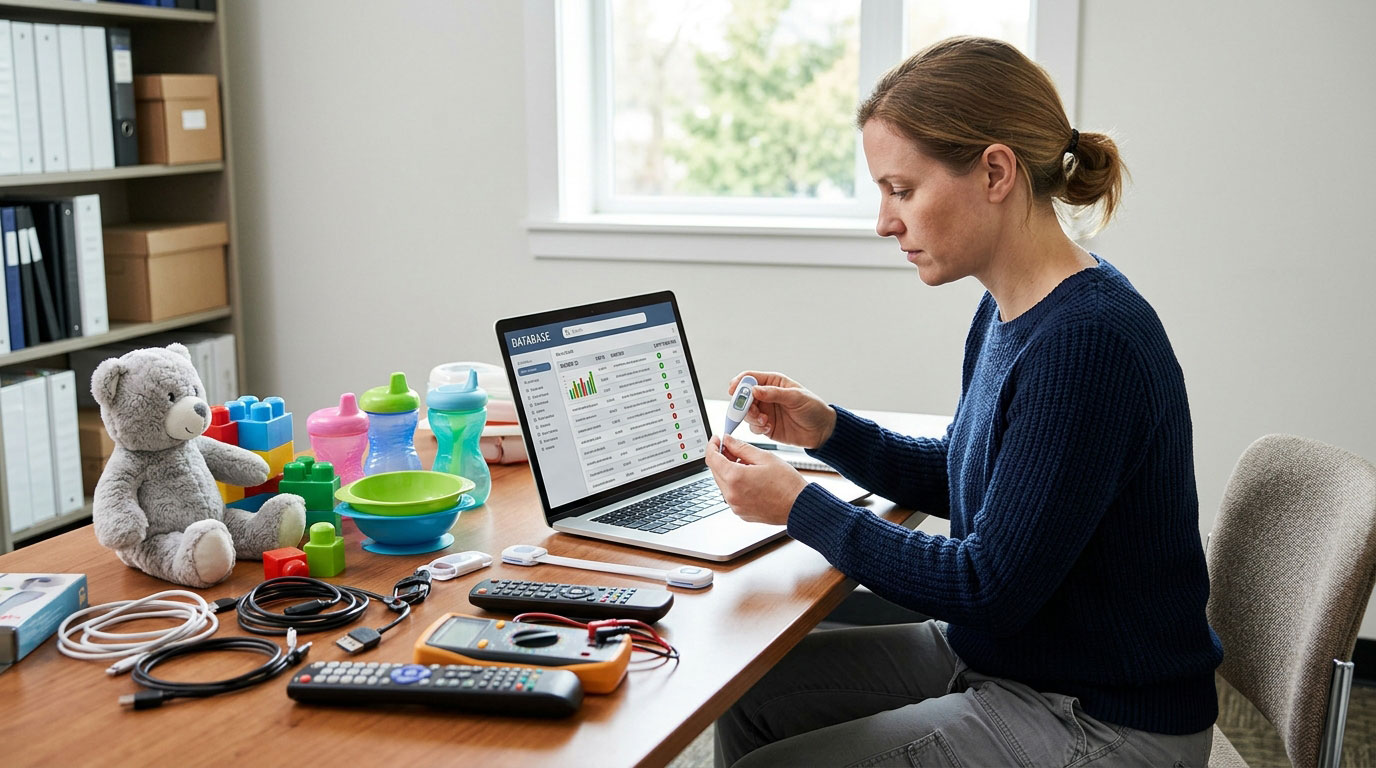
Product recalls can affect items people use every day, from children’s products and furniture to electronics, appliances, tools, batteries, and outdoor equipment. A recall does not necessarily mean that every individual product has already caused an injury, but it generally signals that a safety problem has been identified and consumers should pay attention to the recommended action.
Recent activity from the U.S. Consumer Product Safety Commission (CPSC) illustrates the variety of hazards that recalls may address. Current notices include products associated with fire, electrocution, choking, ingestion, entrapment, poisoning, falls, and other serious injury risks.
Knowing where to find official recall information and what to do after finding a matching product can help consumers respond more effectively.
Why Product Recalls Happen
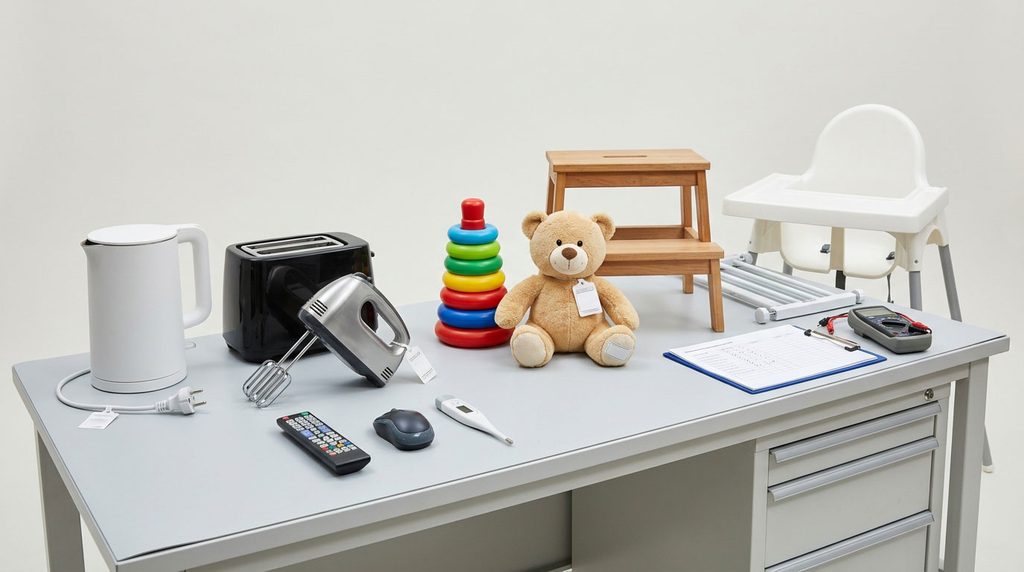
A consumer product may be recalled when a manufacturer, distributor, retailer, or government agency identifies a defect or safety issue that could create an unreasonable risk of injury.
The problem may involve the way the product was designed, manufactured, labeled, packaged, or used. Other recalls arise because a product does not comply with a mandatory federal safety standard.
Common Hazards Behind Recalls
Recall hazards vary considerably depending on the product. Electrical products may create shock, electrocution, overheating, or fire risks. Children’s products may create choking, ingestion, strangulation, entrapment, or fall hazards. Furniture can present tip-over concerns, while recreational products may involve crash or fall risks.
The CPSC’s recall database categorizes hazards including burns, fires, falls, explosions, poisoning, choking, ingestion, crashes, entrapment, and safety-equipment malfunction.
Recent Recall Activity Shows the Range of Risks
For example, CPSC notices published in August 2026 included youth clothing associated with an entrapment hazard, LED light kits associated with fire, pressure washers associated with shock and electrocution, children’s toys associated with choking or ingestion hazards, and furniture associated with tip-over and entrapment risks.
These examples show why consumers should not assume recalls involve only automobiles or major appliances. Even relatively simple household products can become the subject of a safety notice.
Explore additional information in InjuryWatchdog.com’s Product Safety section.
How to Check Whether a Product Has Been Recalled
The most reliable approach is to use official government recall databases rather than relying solely on social media posts, online discussions, or secondhand information.
Start With CPSC for General Consumer Products
The CPSC recalls and product safety warnings database allows consumers to search notices by date, hazard, product category, and other information.
Each recall notice generally identifies the affected product, explains the hazard, describes the remedy, and provides information about how consumers can contact the responsible company.
Use the Appropriate Agency for Specialized Products
Not every recall falls under CPSC jurisdiction. Vehicle and automotive equipment recalls can be searched through the National Highway Traffic Safety Administration. Food and certain other products may fall under the U.S. Food and Drug Administration or other federal agencies.
Using the agency responsible for the particular type of product can help consumers find more complete and authoritative information.
Check the Exact Model, Not Just the Product Name
A common mistake is assuming that every product sold under a particular brand or general name is affected. Recalls frequently apply only to specific models, production periods, serial numbers, sizes, colors, manufacturing codes, or retail channels.
Find Identifying Information Carefully
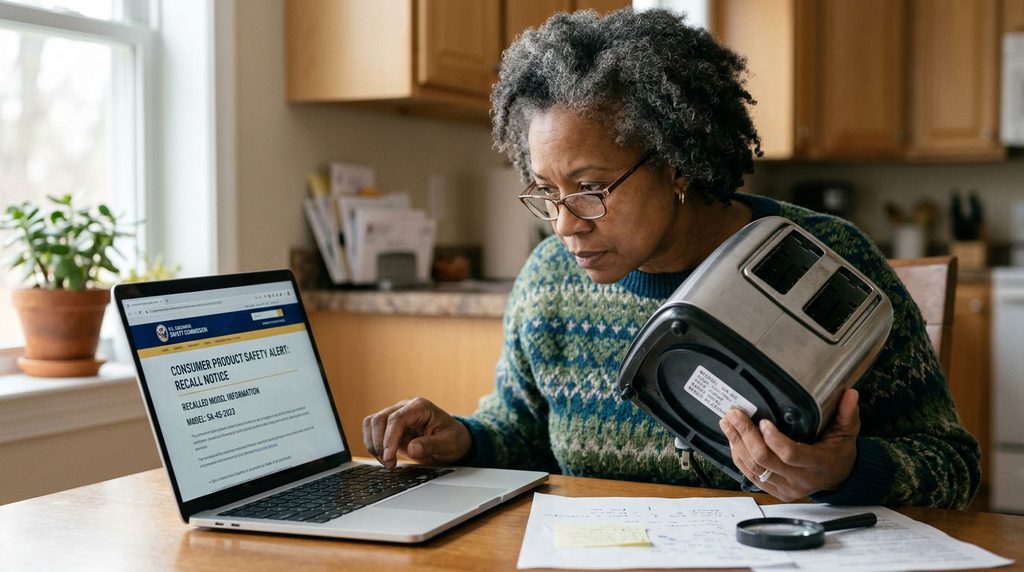
Model and serial numbers may appear on a label underneath or behind a product, inside a battery compartment, on packaging, or in documentation supplied at purchase.
Consumers should compare those details with the official notice before deciding that an item is or is not included.
Be Careful With Secondhand Products
Used products can require extra attention because the current owner may not have the original packaging, receipt, registration information, or recall notification.
Before buying or using a secondhand crib, stroller, appliance, tool, bicycle accessory, furniture item, or children’s product, checking recall databases can be a useful safety step.
What to Do If You Own a Recalled Product
The most important step is to follow the instructions in the official recall notice. Remedies differ depending on the hazard and product.
A manufacturer may offer a refund, replacement, repair, new instructions, or another remedy. Some notices instruct consumers to stop using the product immediately, while others provide specific instructions for safely disabling, returning, or disposing of the item.
Do Not Improvise a Repair
Unless the official recall procedure specifically instructs consumers to make a modification, attempting a homemade repair could create additional risks or interfere with an available remedy.
Instead, consumers should use the contact details and procedures listed by the responsible agency or manufacturer.
Keep Useful Documentation
It may be helpful to retain photographs of the product, identifying labels, purchase documentation, communications with the manufacturer, and the recall notice itself until the issue has been resolved.
For broader everyday prevention information, see our guide to five habits that can help reduce road accidents.
Why Recall Awareness Matters for Families
Some hazards may be difficult to recognize simply by looking at a product. A battery compartment may appear secure but fail a child-resistance requirement. Furniture may look stable but have a tip-over risk. An electrical appliance may operate normally before a component overheats or fails.
Parents and caregivers may therefore want to pay particular attention to recalls involving toys, nursery products, furniture, batteries, clothing, and products commonly accessible to children.
The CPSC also publishes consumer safety education covering a wide range of household hazards.
How to Stay Informed About Future Recalls
Consumers do not need to manually search every product they own each week. Several simple habits can make recall awareness easier.
Registering eligible products with manufacturers can help companies contact owners when a safety issue arises. Consumers can also subscribe to official recall notifications and periodically review recall databases for high-risk products or recently purchased items.
Pay Attention After Moving or Buying Used Items
Households often accumulate products over many years. A move, renovation, new baby, or purchase of used furniture and equipment can be a useful opportunity to check older products for safety notices.
Official Information Should Come First
Product safety stories can spread quickly online, especially when a popular consumer item is involved. However, viral posts do not always include the correct models, hazards, or recommended remedies.
Consumers should confirm recall information directly through CPSC or the appropriate federal agency before taking action.
InjuryWatchdog.com will continue covering recalls and emerging consumer hazards as part of our broader focus on prevention and everyday safety. Visit our Product Safety articles for additional information or learn about slip, trip, and fall hazards in workplaces.