
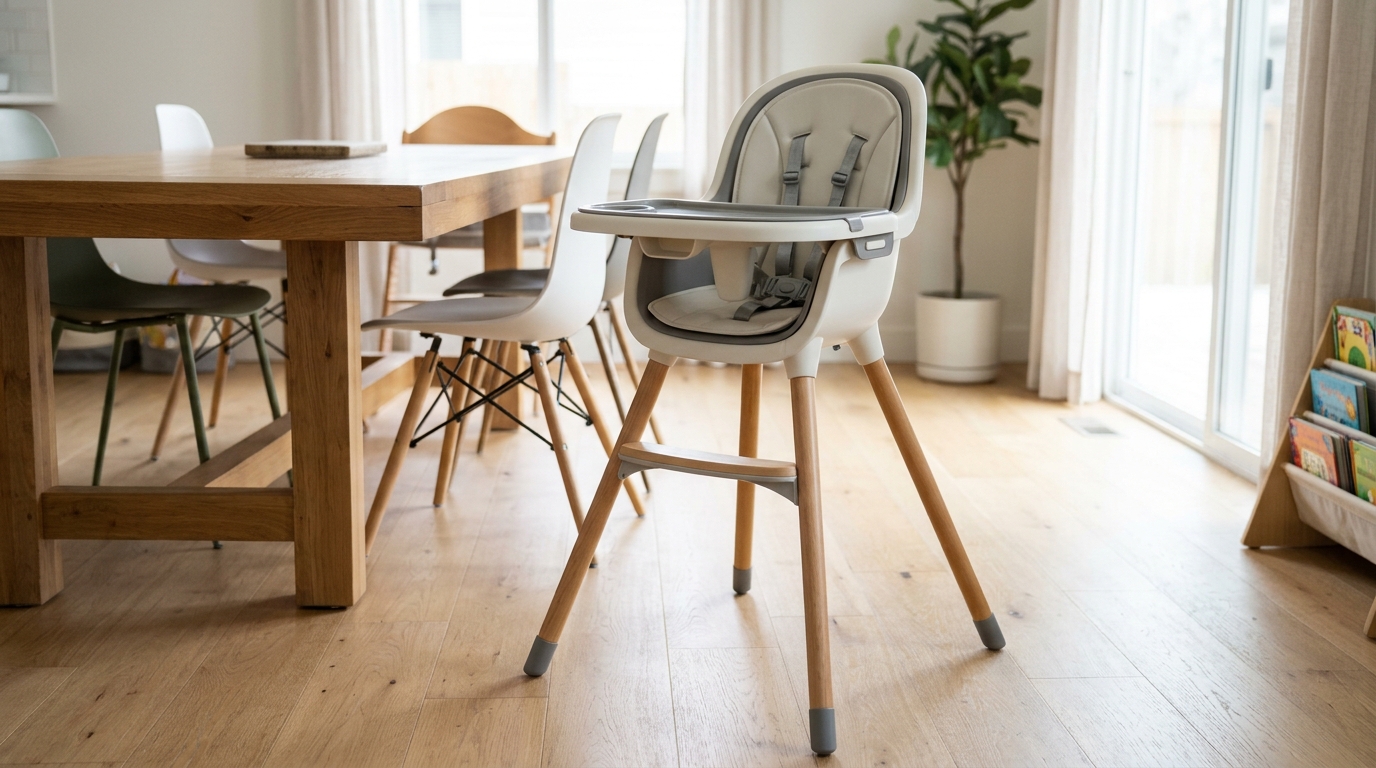
As a result, a child could slip through the opening between the seat and feeding tray. This creates potentially serious entrapment and fall hazards.
Parents and caregivers should immediately stop using affected chairs and follow the official replacement procedure. Fortunately, CPSC reported no incidents or injuries when the recall was announced.
This guide explains how to identify the recalled chairs, request a free replacement, and reduce common high chair injury risks.
Costway High Chair Recall 2026: Affected Products and Hazards
Product recalls help consumers identify items that may pose unreasonable safety risks. Some recalls follow reported injuries, while others result from testing or violations of mandatory safety standards.
The October 2026 Costway recall falls into the second category. The reported safety problem involves the design of the chair rather than a documented series of injuries.
Which Costway High Chairs Are Included?
The recall covers certain Costway convertible high chairs designed to transform into a separate table and chair set. Families may have purchased them because of their multipurpose design.
However, shoppers should not assume that every Costway child product is affected. Product identification matters before requesting a recall remedy.
Colors, Sales Dates, and Retailers
According to CPSC, the recalled high chairs were sold in several color combinations: purple and white, red and white, blue and white, and brown and white.
The affected products were available at Walmart and Target stores nationwide and through Costway.com.
The sales period extended from May 2023 through July 2026. Prices generally ranged from $84 to $100.
Consumers should compare the appearance of their chair with the official photographs published by CPSC.
Importantly, the agency states that the recalled chairs do not contain tracking information. Therefore, owners may need to rely on their chair’s design, color, purchase records, and official product photographs.
A missing receipt does not automatically prevent someone from contacting the company. The recall procedure allows consumers to submit a photograph of the product instead.
For the most reliable identification, visit the official Costway high chair recall announcement.
Why the Missing Restraint Creates a Hazard
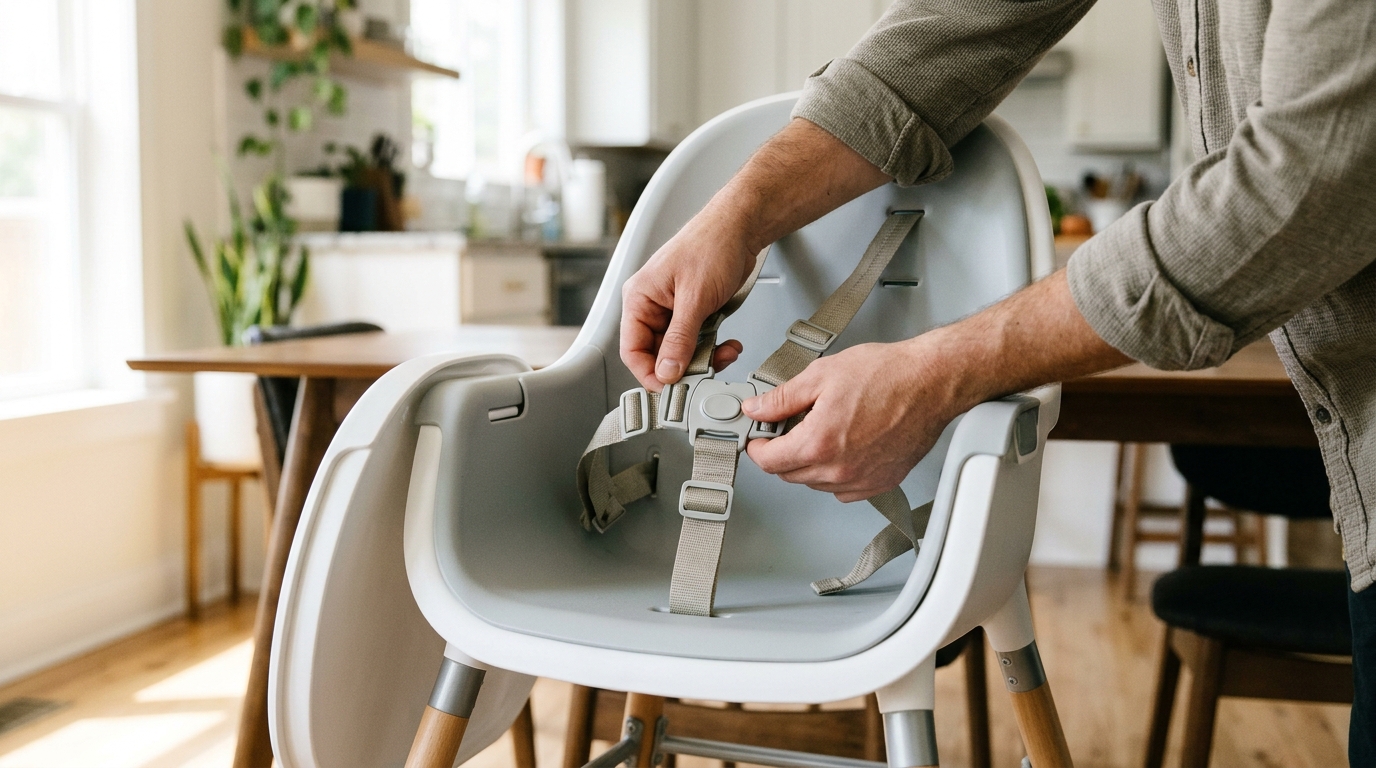
The central safety concern is the absence of a passive restraint system. Such a system helps prevent a child from sliding through the opening between the tray and seat.
Without that protection, a child could slip downward, become trapped, or fall from the chair.
Entrapment can create dangerous pressure or positioning, while falls may cause serious injuries.
Although caregivers may use other straps, they should not assume an improvised adjustment makes the recalled product safe.
CPSC directs owners to stop using the chair immediately. Continuing to use it while watching the child closely is not the recommended remedy.
Likewise, homemade additions or modified straps should not replace the official recall process.
High chair safety depends on proper design, secure restraints, stable construction, and correct use. A product that fails a mandatory requirement needs an appropriate manufacturer-supported remedy.
How to Receive a Free Replacement High Chair
Costway is offering a free replacement for the affected convertible high chairs. The company provides a return process described in the October 22 announcement.
Owners should follow these instructions rather than returning the product to a store without confirming the appropriate procedure.
Contact Costway and Provide Product Information
First, discontinue use and keep the affected chair away from children.
Next, contact Costway using the details published by CPSC. The company’s recall telephone number is 844-242-1885, available Monday through Friday from 9 a.m. to 5 p.m. Pacific Time.
Consumers can also email recall@costway.com or visit Costway.com and select the recall information at the bottom of the website.
Costway will ask for a purchase receipt or a photograph showing the product.
Prepare the relevant information before contacting the company. For example, a clear picture of the empty chair and its convertible design may help identify the affected model.
Consumers should not include unnecessary sensitive personal information in photographs.
Always verify contact details through the official CPSC announcement before responding to emails or unfamiliar messages about the recall.
Return Shipping and Replacement Procedure
After confirming the recall, Costway provides a prepaid shipping label for returning the affected high chair.
The company states that it will ship a replacement chair free of charge after receiving the recalled item.
Owners should follow the packaging and return instructions supplied by Costway.
Keep the shipping receipt, tracking number, and relevant correspondence until the replacement arrives.
Do not continue using the recalled chair while waiting for the replacement. Instead, use a safe, age-appropriate feeding arrangement that meets applicable safety requirements.
The official notice does not promise an identical turnaround time for every customer. Shipping schedules may vary.
If the replacement process stalls, contact Costway again with the original request details.
Consumers can also consult the CPSC recall notice for updated remedy information.

How Parents Can Reduce High Chair Injury Risks
The Costway recall highlights a broader lesson: products designed for children require appropriate safety features and consistent adult supervision.
Even products that are not recalled can become hazardous if they are damaged, assembled incorrectly, or used outside their intended limits.
Everyday High Chair Safety and Product Recall Awareness
Before placing a child in a high chair, examine the equipment and follow the manufacturer’s instructions.
Check that the chair stands securely, its parts are correctly assembled, and any required locking mechanisms function properly.
Use the proper restraint system.
Secure the child using the manufacturer’s recommended restraint arrangement. The feeding tray should not be treated as a substitute for required restraints.
Never rely on a homemade strap or improvised attachment to correct a design defect.
If the chair is missing essential parts, stop using it until the manufacturer confirms an appropriate solution.
Place the chair on a stable surface.
Set the chair on a level floor away from stairs, elevated surfaces, and objects a child might push against.
A child can sometimes shift a chair’s position by kicking or pushing against nearby furniture.
For that reason, avoid positioning high chairs close to countertops, dining tables, or other objects that could affect stability.
Keep children supervised during meals.
Stay nearby whenever a child occupies a high chair. Do not leave the room assuming the restraint system eliminates every possible risk.
Ensure food is suitable for the child’s developmental stage and watch for signs of choking.
Supervision supports safer feeding, but it does not make a recalled chair acceptable to use.
Inspect secondhand chairs carefully.
Parents may receive feeding equipment from relatives, friends, or secondhand marketplaces.
Before using a previously owned chair, identify its manufacturer and model. Then search official recall records.
Check for missing restraints, damaged fasteners, unstable legs, and signs of unauthorized modifications.
A product can look clean and functional while still having a significant safety defect.
For a broader explanation, read our guide to checking recent product recalls.
How to monitor future child product recalls
Visit the CPSC recalls database and search using the manufacturer’s name or product category.
Register eligible products with their manufacturers to receive relevant safety notices.
Additionally, review recall information when buying used nursery furniture, feeding products, toys, or sleep equipment.
Because recall remedies can change, rely on the latest official instructions rather than older social media summaries.
What if a child has already been injured?
Seek medical care promptly for concerning symptoms after a fall or suspected entrapment.
Severe symptoms, breathing problems, or loss of consciousness require emergency medical attention.
Do not delay treatment while trying to document the chair or contact the manufacturer.
Once the child is safe, keep available product information, photographs, medical records, and relevant communications.
Consumers may report product-related incidents through SaferProducts.gov.
However, reporting an incident does not automatically establish that a manufacturer is legally responsible for an individual injury.
Frequently asked questions
When was the Costway high chair recall announced?
CPSC announced the recall on October 22, 2026.
How many high chairs are affected?
Approximately 3,332 convertible high chairs are included.
Have injuries been reported?
No incidents or injuries were reported in the official recall notice at the time of announcement.
Do consumers need a receipt?
Costway requests a receipt or a photograph of the recalled product, according to CPSC.
Is the replacement free?
Yes. The recall offers a free replacement and a prepaid return shipping label.
Final thoughts
The Costway high chair recall demonstrates why even familiar household products deserve attention when a safety notice appears.
Parents and caregivers who own an affected chair should stop using it, verify the product against the CPSC photographs, and contact Costway for a replacement.
Although no injuries were reported when the recall was announced, the identified fall and entrapment hazards require prompt action.
Regular product checks and official recall alerts can help families make safer everyday decisions.
Editor’s note: Information reflects the October 22, 2026 CPSC notice. Recall procedures and reported incident totals may change. This article provides general product safety information, not medical or legal advice.